
Find the Right
Office Chair
You spend more time in your office chair than any piece of furniture except your bed. Honest recommendations at every budget — from $40 hacks to $1,000+ icons — plus what to actually look for.
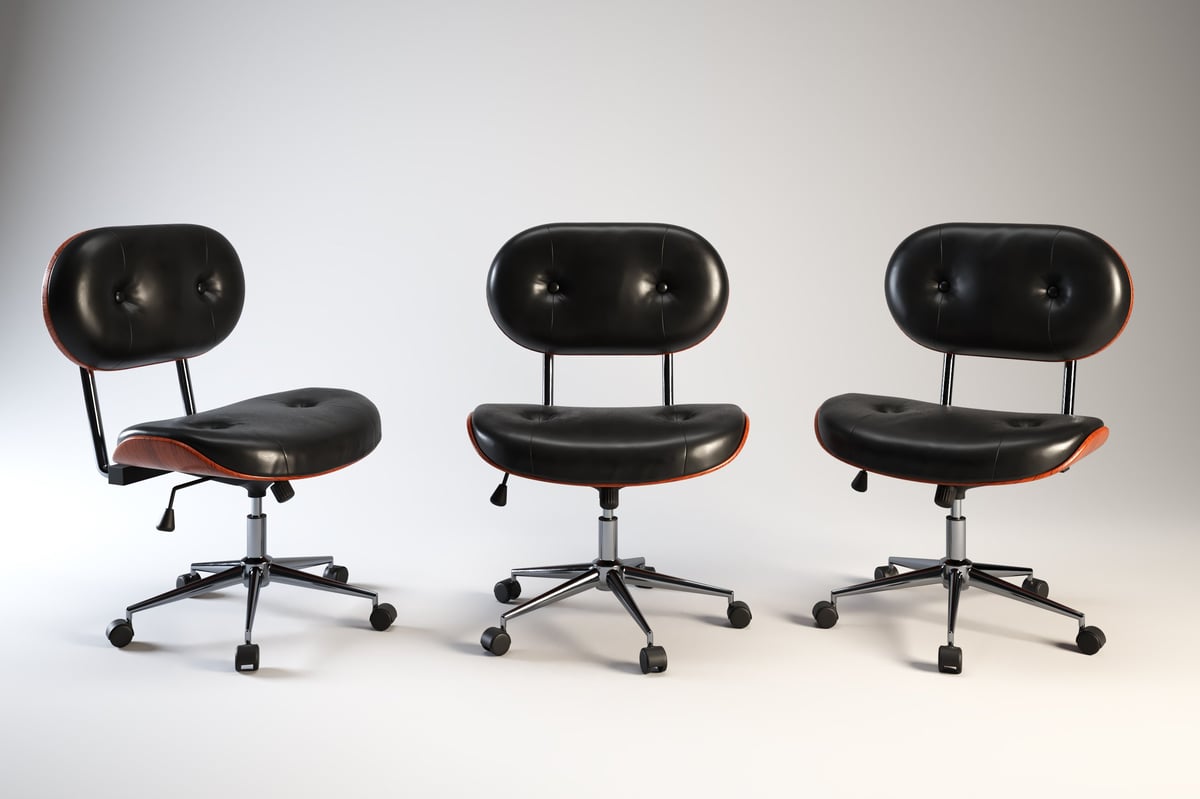
The Kitchen Chair Upgrade
$0–40Cushion + lumbar roll. Total cost: maybe $40.
If buying a chair isn't in the cards yet, make the chair you have work harder. A good seat cushion and a lumbar support cushion turn most kitchen or dining chairs into something you can sit in for a full workday without hating your life.
Pros
- + Instant upgrade, zero footprint
- + Works on any chair you already own
- + Portable — take it room to room
Cons
- − Still a kitchen chair underneath
- − Armrests still won't exist
- − Not a long-term solution
Best for
Week-one remote workers. People saving up for a real chair. Anyone whose current chair is 'fine but not great.'
The Facebook Marketplace Score
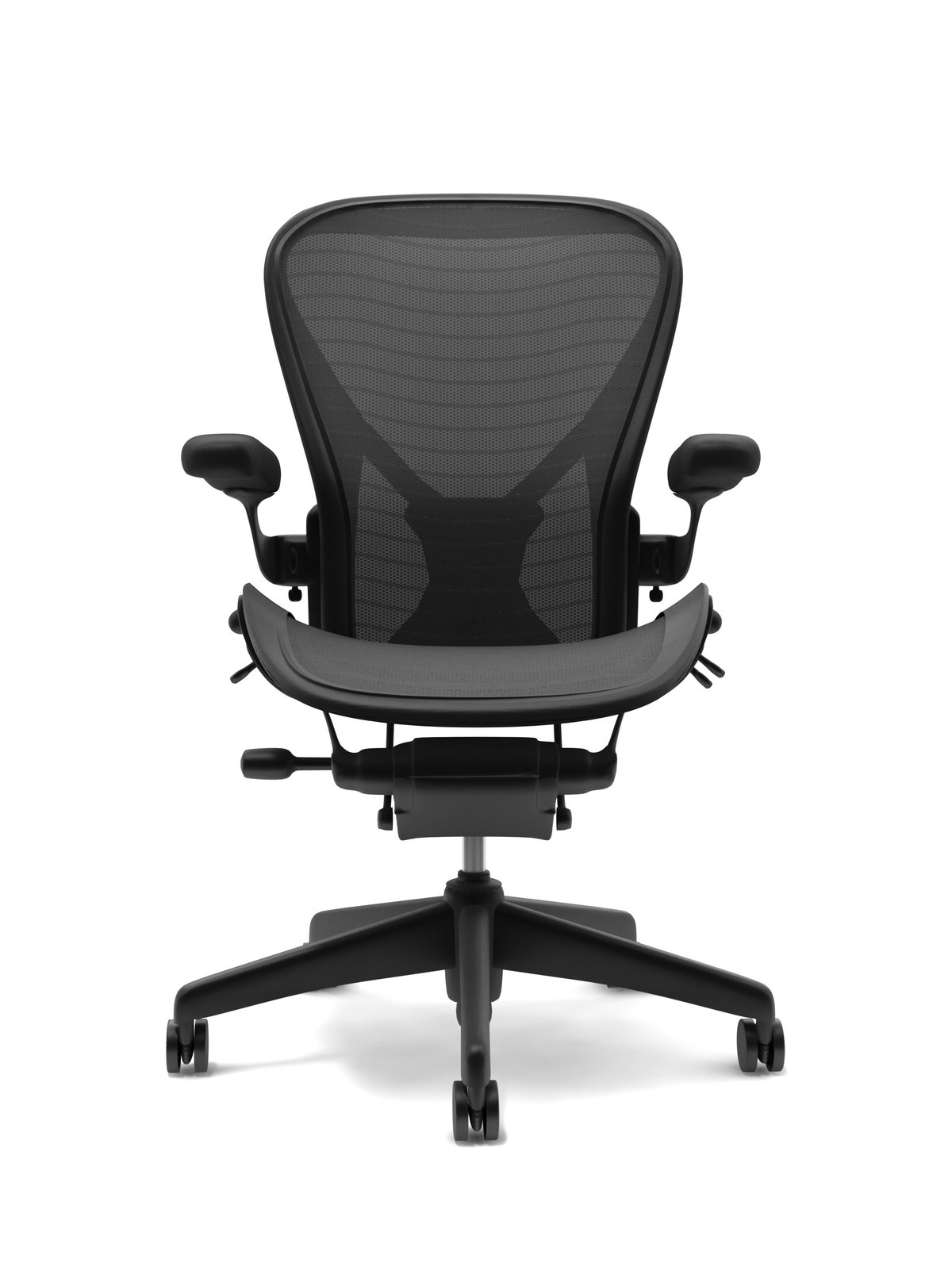
$300–500Used Steelcase or Herman Miller for $300–500. The best deal in chairs.
Used high-end office chairs are the single best value in home office gear. A Steelcase Leap or Herman Miller Aeron is built for 10+ years of 8-hour days — so a used one at $400 has more life left than a new $200 Amazon chair. Search Facebook Marketplace, Craigslist, and office liquidation sales.
Pros
- + $1,000+ chair for a third of the price
- + Built to outlast you
- + All the adjustability of a premium chair
Cons
- − Takes some hunting — you have to check listings
- − No warranty
- − You should test before buying (fit varies by model)
Best for
Someone who wants a BIFL chair on a reasonable budget. If you have the patience to hunt listings for a week or two, this is the move.
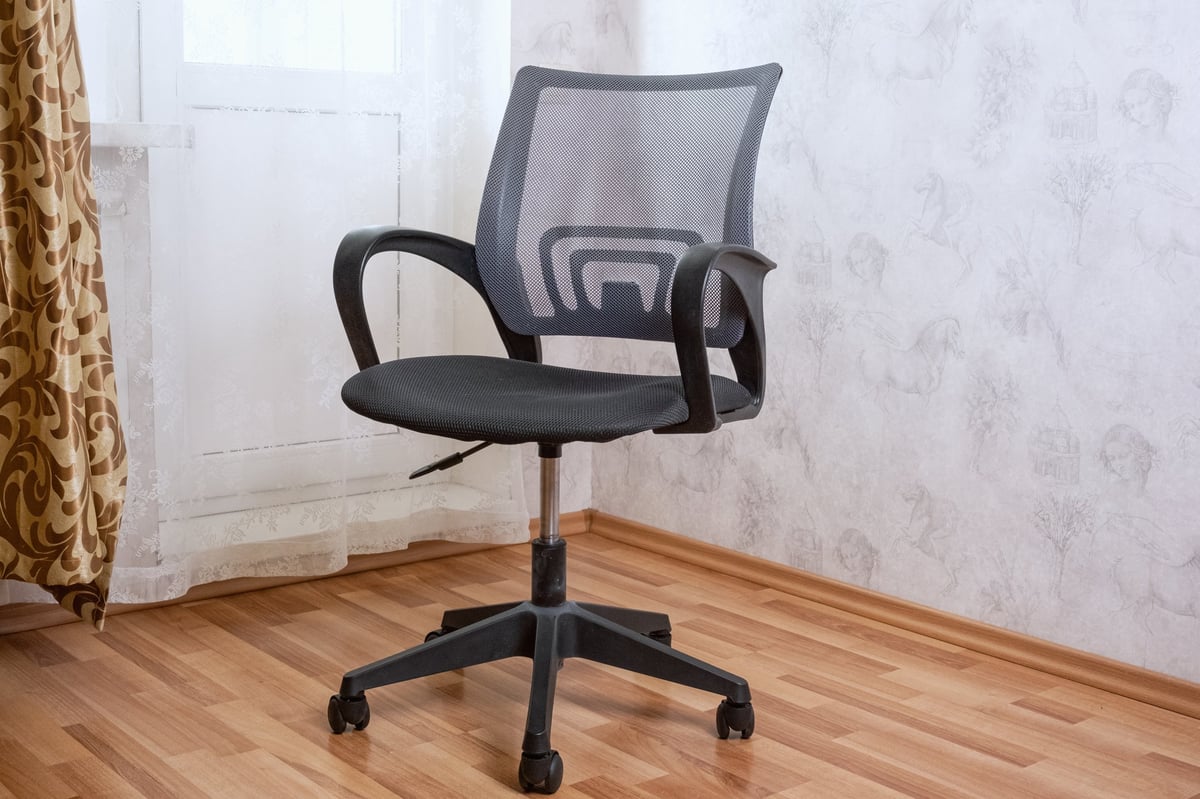
Branch Ergonomic Chair
$330The best new chair under $350. No caveats.
If you want a new chair with a warranty and don't want to hunt used listings, the Branch Ergonomic Chair is the sweet spot. Seven points of adjustment, decent lumbar support, mesh back, and it looks good enough that it won't make your home office look like a corporate liquidation. 7-year warranty.
Pros
- + Best new chair under $350, period
- + 7-year warranty — peace of mind
- + Looks like furniture, not office equipment
Cons
- − Not as adjustable as the $1,000+ tier
- − Seat cushion firms up over time (some like this, some don't)
- − Armrests are height-adjustable only — no depth or pivot
Best for
People who want a new chair with a warranty. Solid upgrade from a kitchen chair without hunting used listings.
IKEA Markus
$230Tall back. Decent lumbar. $230. The IKEA classic earns its reputation.
The Markus has been IKEA's office chair for over a decade and it's still good. The high mesh back supports tall people well (rare at this price), and it's comfortable enough for a full workday. The downsides: armrests are fixed height, and lumbar support is not adjustable — but at $230, those are acceptable tradeoffs.
Pros
- + High back supports tall people
- + 10-year warranty from IKEA
- + Available to try in-store before buying
Cons
- − Fixed armrests (not adjustable at all)
- − No adjustable lumbar — it works for most but not all
- − Seat depth isn't adjustable
Best for
Tall people on a budget. Anyone who wants to try a chair in person before buying. IKEA fans who value the 10-year warranty.
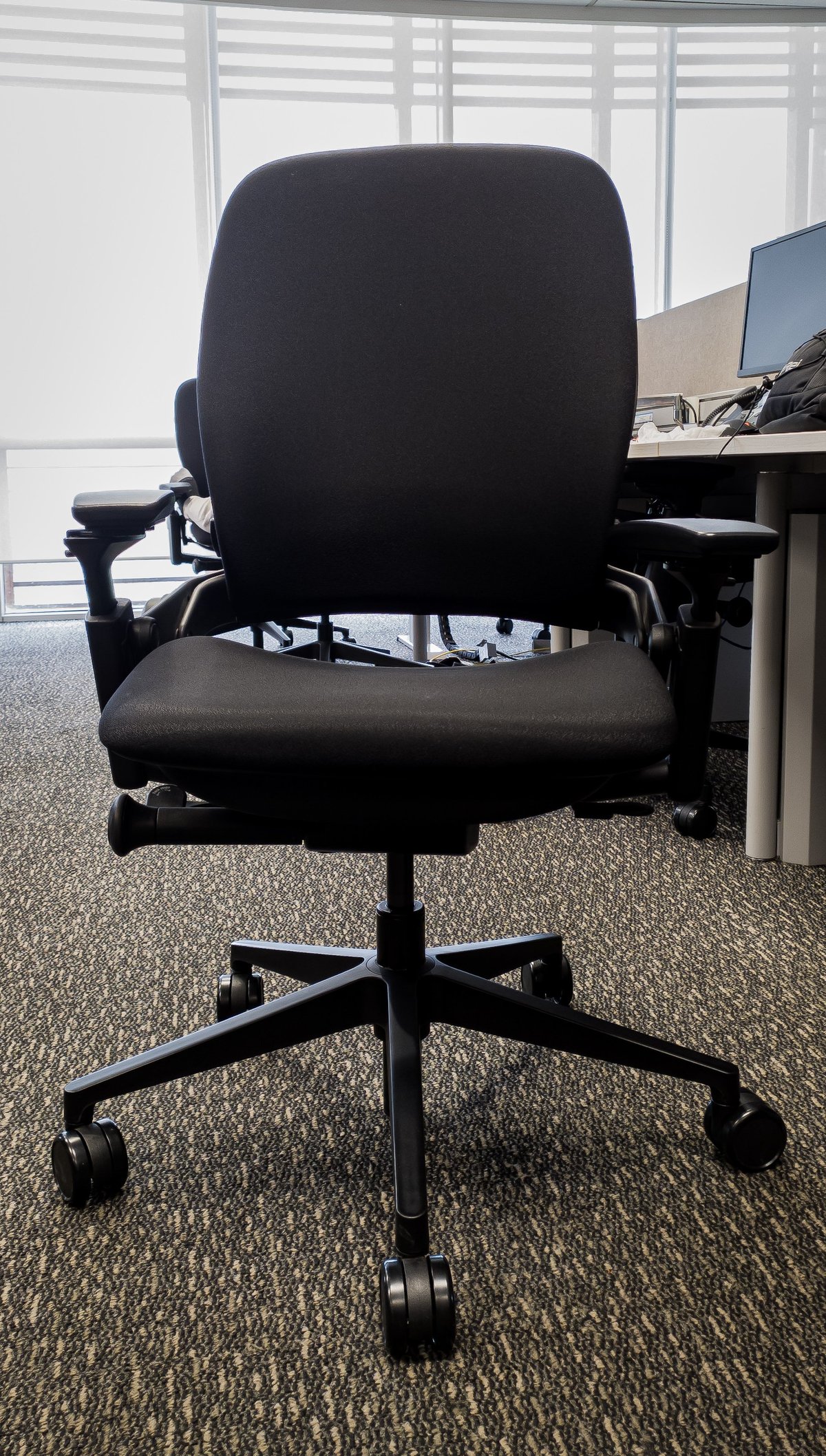
Steelcase Leap V2
$300–500 used | $1,200+ newThe gold standard. Adjustable everything. Buy it used.
The Leap's secret weapon is its 'live back' — it mimics the way your spine actually moves, flexing in different zones independently. The seat pan adjusts forward and back (rare even at this price), and the armrests move in four directions. If you're going to own one chair for the next decade, this is the one.
Pros
- + Best-in-class back support — 'live back' flexes like a spine
- + Seat pan slides forward/back for thigh support
- + Armrests adjust 4 ways: height, width, depth, pivot
Cons
- − Expensive new — used is the smart buy
- − The headrest version is $300 extra and not worth it for most
- − Heavy — you won't be moving it room to room
Best for
People who sit 8+ hours a day. Anyone with back issues. The person who wants to buy one chair and be done for a decade.
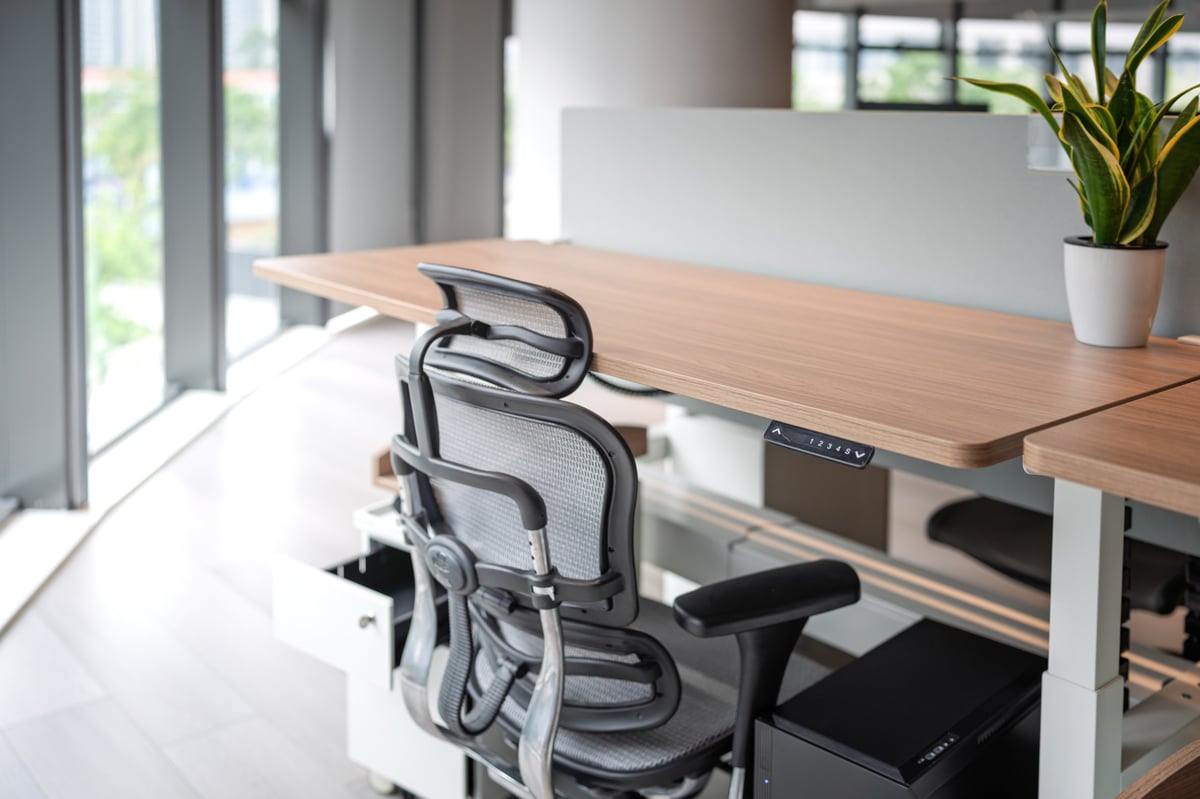
Herman Miller Aeron
$350–600 used | $1,400+ newThe icon. Mesh instead of cushion. Try before you buy.
The Aeron is the most famous office chair in the world for a reason. Its mesh seat and back mean you never get hot or sweaty — great for warm climates (hello, South Alabama). It comes in three sizes (A, B, C), and getting the wrong size is the #1 complaint — try before you buy. The posture-fit lumbar is worth the upgrade.
Pros
- + Full mesh = never sweaty, never hot
- + Three sizes fit different body types properly
- + Posture-fit lumbar support is excellent
Cons
- − Hard frame edge — you can't tuck a leg under you
- − Sizing matters — wrong size = uncomfortable at any price
- − Mesh eventually sags on very old used models (check before buying)
Best for
People who run warm. Mesh lovers. Anyone in a hot climate. The person who wants a legendary chair and is willing to find the right size.
HAG Capisco
$500–800 used | $1,000+ newSit forward. Sit backward. Sit sideways. This chair wants you to move.
The Capisco looks weird — like a saddle crossed with a chair. It's designed for active sitting: you can sit facing forward, straddling it backward, or sideways. The idea is that no single position is healthy for 8 hours, so the chair encourages you to shift constantly. It's also genuinely beautiful in a sculptural way.
Pros
- + Encourages movement — you'll switch positions naturally
- + Saddle shape works for standing-height desks and drafting setups
- + Genuinely beautiful — looks like a design object
Cons
- − Weird to get used to — first week feels unfamiliar
- − No armrests in the standard configuration
- − Not for everyone — the saddle isn't comfortable for all body types
Best for
Fidgeters. Standing desk users who want a chair that works at standing height. Design-conscious people who want their chair to be interesting.
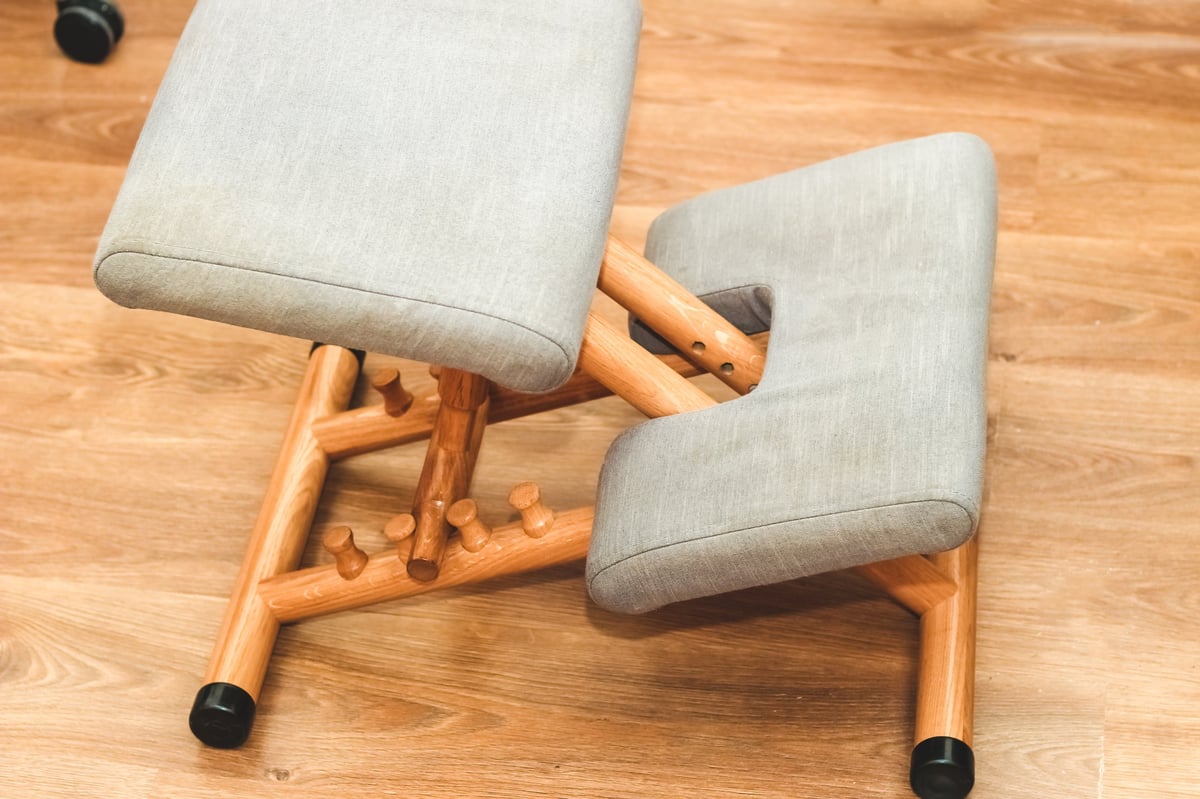
The Anti-Chair: Balance Stool / Kneeling Chair
$80–250Not a chair at all. An active sitting experiment.
Kneeling chairs and balance stools aren't meant to replace your chair — they're meant to alternate with it. Use one for an hour in the afternoon when you'd normally slump. They engage your core and keep your spine in a more natural position than sitting. Think of it as a supplement, not a replacement.
Pros
- + Engages core muscles passively
- + Breaks up the sitting pattern
- + Affordable compared to a second full chair
Cons
- − Not comfortable for more than 1–2 hours
- − Your knees may complain at first
- − Takes up floor space for something you use part-time
Best for
People who want to experiment with active sitting. A good companion to a regular chair — use the kneeling chair for short stretches.
What to Look For
in Any Chair
These six features are what separate a chair worth buying from one that'll be on Facebook Marketplace in six months.
Adjustable Seat Height
Your feet should rest flat on the floor with knees at roughly 90 degrees. If the chair can't get low enough (or high enough) for your height, it will never be comfortable.
Adjustable Lumbar Support
Your lower back should feel gently supported, not pushed forward. A chair with adjustable lumbar depth AND height fits more bodies than one with a fixed bump.
Adjustable Armrests
Armrests that are too high push your shoulders up. Too low and you slump to reach them. The best armrests adjust in height at minimum — width and depth are bonuses.
Seat Depth Adjustment
You want 2–3 fingers of space between the back of your knees and the seat edge. If the seat is too deep, it cuts off circulation. Too shallow, and your thighs aren't supported.
Breathable Material
Mesh backs keep you cool. Fabric seats breathe better than leather or vinyl. If you run warm or live somewhere hot, mesh is worth prioritizing.
Return Policy / Trial Period
The best chair is one you sit in for a week and still like. Brands like Branch and Steelcase offer 30-day trials. Herman Miller dealers will let you test in showrooms. Never buy a $500+ chair you can't return.
Chairs You Should
Probably Skip
These look tempting. Some of them are even on sale right now. Don't do it.
Gaming chairs with racing stripes
They're car seats with a markup. Thin cushion, no lumbar, built for looks not ergonomics.
The $89 Amazon special with 3.7 stars
Read the 1-star reviews. These chairs squeak within weeks and the cushion flattens within months.
Executive leather thrones
They're hot, heavy, and designed to look impressive in corner offices — not to support your back for 8 hours.
Chairs you haven't sat in
Never buy a chair you can't test or return. Your back is not a speculative investment.
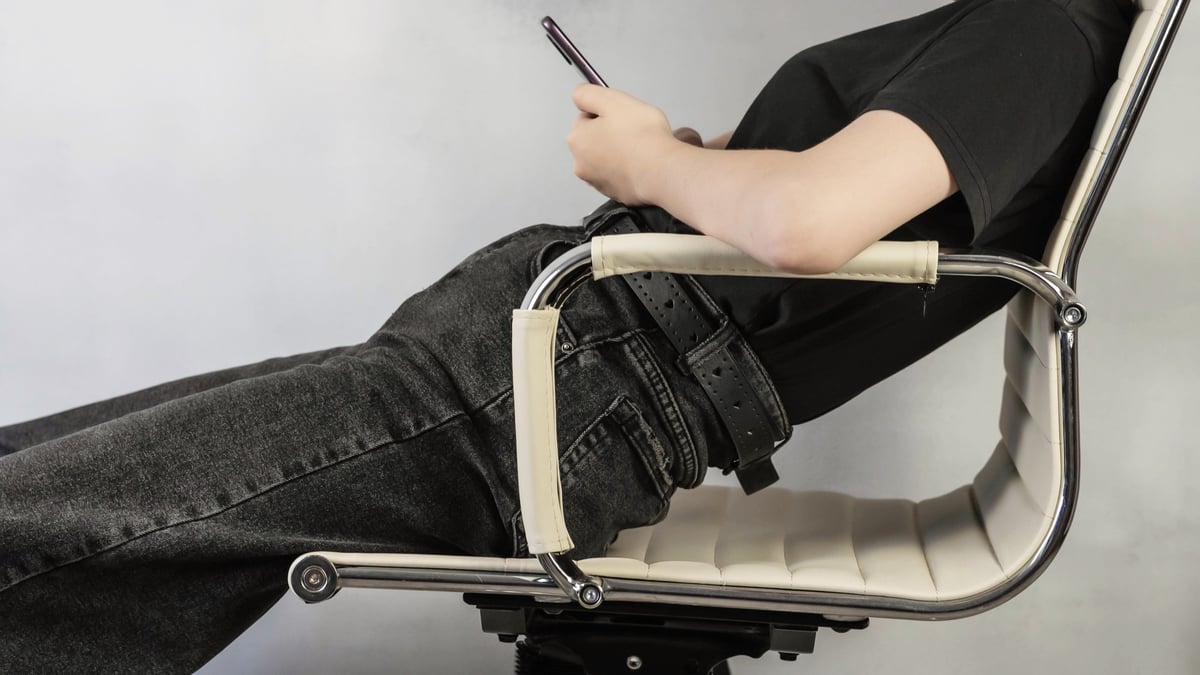
Wishbone / shell chairs as desk chairs
Beautiful. Terrible for working. No lumbar, no armrests, no adjustment. Great as decor, bad as a daily driver.
Your Back Deserves
a Good Chair
The best chair is the one you sit in and forget you're sitting. Take your time. Test what you can. Buy used if it gets you into a better tier. And never feel bad about spending money on something you use 40+ hours a week.