

Remote Jobs
15 Side Hustles You Can Start From Home
No online surveys. No "make $500/day typing." Just real ways regular people make extra money — with actual earnings, startup costs, and how to get your first customer.
Of Americans have a side hustle — the average side hustler earns $1,122/month
Of side hustlers started with under $100 — most profitable hustles have almost zero startup cost
Average weekly time commitment for a successful side hustle — evenings and weekends add up fast
Average annual side hustle income — that's a mortgage payment, a vacation, or a fully funded IRA
Not Sure Where to Start?
Pick the sentence that sounds most like you. I'll point you to the right hustle.
I want something I can start tomorrow with $0
I want the highest earning potential long-term
I want almost completely passive income
I want something creative and hands-on
I want to work mostly weekends
Creative & Making

Sell Handmade Goods on Etsy
Sell crafts, jewelry, candles, soap, digital art, or custom items on Etsy. The platform handles payment, listing, and some marketing. The most successful Etsy sellers find one niche product and iterate on it — not 50 different things. Top categories: personalized gifts, home decor, wedding items, and stationery.
How to start: Pick one product type. Make 10 of them. Take good photos in natural light. Write listings with keywords people search for. Set your price at 3-4x materials cost to start (you can raise it later). Etsy fees are about 10% total — factor that into your price.
💡 Real talk: Most Etsy shops make $50-200/month for the first 6 months. The shops making $2K+/month treat it like a real business — good photos, consistent new products, and responding to messages within hours. Key insight: customers buy based on photos first, description second. Invest time in photography.

Bake & Sell From Home
Sell cookies, cakes, bread, or specialty baked goods from your home kitchen. Cottage food laws in most states let you sell certain baked goods without a commercial kitchen. The profit margins on baking are excellent — ingredients cost 20-30% of final sale price. Best sellers: custom sugar cookies, sourdough bread, celebration cakes, and holiday treat boxes.
How to start: Check your state's cottage food laws first (Google '[your state] cottage food law'). Start with one signature item and perfect it. Sell to friends and coworkers at a discount for testimonials. Post photos on local Facebook groups and Nextdoor. Offer holiday pre-order boxes — Thanksgiving pie boxes and Christmas cookie tins are gold mines.
💡 Real talk: The money is in custom orders, not selling individual cookies. A $50 custom birthday cake uses $12 in ingredients and takes 2-3 hours. Holiday pre-orders (10+ orders at once) make the best use of your time. Local pickup only to start — delivery adds complexity and cost.

Sell Digital Products & Printables
Create once, sell forever. Digital products — planners, budget spreadsheets, wedding templates, meal planners, resume templates, kids' activity sheets — have zero inventory cost and zero shipping. You make the product one time and collect payments indefinitely. Canva's free tier is enough to create professional-looking products.
How to start: Find a niche (wedding planning templates, fitness trackers, teacher resources). Create 5-10 products. List on Etsy (digital downloads) and Gumroad. Price $3-15 for simple items, $15-40 for comprehensive bundles. The money is in bundles — a $27 'Complete Wedding Planning Kit' sells better than individual $5 items.
💡 Real talk: It takes 2-3 months to build a catalog and start seeing consistent sales. The first $100/month is the hardest. After that, sales compound because your products stay listed forever. Top sellers on Etsy make $3K-10K/month from digital products — but they have 100+ listings and have been at it for 2+ years.
Services & Helping

Pet Sitting & Dog Walking
Walk dogs, feed cats, and check on pets while their owners are at work or on vacation. Rover and Wag connect you with clients and handle payment. The best part: you set your availability and rates. Many pet sitters charge $15-25 per 30-minute walk and $40-60 per night of pet sitting. Holiday weeks pay 2x — everyone travels at the same time.
How to start: Create a Rover profile with photos of you with animals. Set your radius to 5-10 miles. Start with slightly lower rates to get your first 5 reviews, then raise to market rate. Mention any special experience (gave meds to my own dog, experience with anxious pets, etc.). Good reviews about reliability matter more than anything else.
💡 Real talk: Your first month will be slow while you build reviews. Offer a slight discount to your first 3 clients for reviews. The sweet spot is having 3-5 regular dog walking clients (steady weekly income) plus boarding/house-sitting gigs on weekends. People pay premium rates for sitters who send photo updates during visits.

House Cleaning Services
Clean houses or apartments on your own schedule. Independent cleaners charge $25-50/hour — far more than working for a cleaning company. The startup cost is cleaning supplies and transportation. Repeat clients are the goal: one weekly $120 cleaning client is worth $500/month, and they rarely cancel.
How to start: Start with people you know — friends, family, neighbors. Ask for Google or Facebook reviews after every clean. Post in local Facebook groups and Nextdoor. Charge by the job, not by the hour (a 3-bedroom house is $120-150 regardless of whether it takes you 3 or 4 hours). Bring your own supplies — it signals professionalism.
💡 Real talk: Your first few cleans will take longer than you expect — that's normal. Don't undercharge to 'get started' — once you anchor yourself as the cheap cleaner, it's hard to raise prices. The best clients are people who want recurring service (biweekly or monthly). One-time deep cleans pay more per job but are less predictable.

Laundry & Folding Service
Wash, dry, fold, and return laundry for busy people in your area. The barrier to entry is literally zero — you already have a washer and dryer. Charge $1-2 per pound or flat rates ($25-40 per bag). The work is mindless and flexible — you can fold laundry while watching Netflix.
How to start: Post on Nextdoor, local Facebook groups, and community bulletin boards. Offer pickup and delivery for a premium, or drop-off only to start. Be reliable — people care more about their laundry showing up on time than anything else. College students and new parents are your best customers.
💡 Real talk: This works best in dense neighborhoods or apartment complexes — you can pick up and deliver multiple orders on the same trip. A college town near finals week is peak season. Some people specialize in 'fluff and fold' (wash, dry, fold, delivered in bags) and build a steady $600-800/month business from 10-15 regular clients.

Personal Chef & Meal Prep Service
Cook weekly meals for families, busy professionals, or new parents. You plan the menu, shop for ingredients, cook in their kitchen or yours, and package 5-7 days of meals. Private chefs charge $200-400 per cook session (producing 15-20 meals). Simpler meal prep services charge $8-12 per meal.
How to start: Start with 2-3 clients you know personally. Post before/after photos of your cooking on social media. Check your local cottage food laws — cooking in someone else's kitchen has fewer regulations than selling from yours. Specialize: meal prep for new parents, keto/paleo meal prep, or weekly healthy lunches for offices.
💡 Real talk: The biggest challenge is logistics — planning, shopping, cooking, and delivery take more time than just the cooking part. Charge enough to cover planning and shopping time (not just cooking). A $300 cook day takes 5-6 hours total when you include grocery shopping. The food cost is typically 30-40% of what you charge.
Selling & Reselling

Resell Items on eBay & Facebook Marketplace
Buy items cheap at thrift stores, garage sales, and clearance racks — sell them for profit online. The categories with the best margins: vintage clothing, designer bags, collectibles, video games, used electronics, and furniture. You don't need to know everything — pick one category and become the expert in it.
How to start: Start by selling things you already own to learn the platforms. Then take $50 to a thrift store or garage sale. Look up sold prices on eBay (filter by 'sold listings') before buying anything. Good photos + accurate descriptions + competitive pricing = sales. Ship within 24 hours and you'll get better ratings.
💡 Real talk: The money is in knowing what things are worth that other people don't. That's the entire business model. Picking one niche (vintage Pyrex, used video games, designer denim) and learning it deeply beats thrifting 'whatever looks valuable.' Your first few flips will be break-even — don't get discouraged. The resellers making $2K+/month treat it like inventory management, not treasure hunting.

Sell Plants & Garden Starts
Propagate and sell houseplants, succulents, or vegetable garden starts. A $15 pothos plant can produce 10+ cuttings that sell for $5-10 each. Vegetable starts (tomato, pepper, herb seedlings) sell for $3-5 each in spring. The plant market is massive on Facebook Marketplace, local plant swap groups, and farmer's markets.
How to start: Start with easy-to-propagate plants: pothos, spider plants, succulents, snake plants, monstera. Post on Facebook Marketplace and local plant groups. Take photos in nice pots (people buy the aesthetic, not just the plant). Spring is peak season for garden starts — April and May are when you make most of your money.
💡 Real talk: Plant selling is seasonal — you'll make most of your money March through June. Houseplants sell year-round but slower in winter. A small greenhouse or grow light setup ($50-100) extends your season. The plant people on Instagram who look like they're making bank are mostly selling to each other — local sales are where the real money is.

Rent Out Your Stuff
Rent out things you already own that sit unused most of the time: your car (Turo, Getaround — $30-70/day), parking spot (SpotHero, JustPark — $50-200/mo), spare room (Airbnb — $50-150/night), camera gear (ShareGrid — $25-75/day), or power tools and equipment (local Facebook groups).
How to start: Pick one asset to test. List it on the relevant platform with good photos and a slightly below-market price to get your first booking and review. Set clear rules (no smoking, return with full tank, etc.). The platforms handle insurance and payment — you handle cleaning and availability.
💡 Real talk: Car sharing (Turo) is the highest-earning option but comes with the most risk — people will treat your car worse than you do. A spare room or parking spot is the lowest-effort option — almost zero work after setup. Equipment rental (cameras, tools) is the hidden gem — most people don't think of it, so competition is low.
Local & Offline

Tutoring (In-Person or Online)
Tutor students in math, reading, science, music, or test prep. In-person tutors charge $25-60/hour depending on the subject and your credentials. SAT/ACT prep tutors charge the most ($50-100/hr). Parents are willing to pay premium rates for tutors who can get their kid from a C to a B. Summer tutoring (preventing the 'summer slide') is steady work.
How to start: Pick one or two subjects you're strong in. Set a reasonable rate ($25-35/hr to start). Post on Nextdoor, local Facebook parent groups, and school community boards. Ask your first clients for referrals — tutoring spreads entirely through word of mouth. Offer a free 30-minute consultation to meet the student and parents.
💡 Real talk: The best tutoring hours are 3-7pm weekdays and Saturday mornings — this is prime time for side hustlers with day jobs. Be prepared for cancellations (kids get sick, schedules change). Charging for sessions canceled less than 24 hours in advance is standard — include it in your policy upfront to avoid awkwardness.

Handyman & Odd Jobs
Fix things, assemble furniture, mount TVs, paint rooms, repair drywall, unclog drains, hang shelves. If you're handy and own basic tools, people will pay $40-75/hour for work they don't want to do themselves. TaskRabbit connects you with clients. The most in-demand skills: furniture assembly, TV mounting, painting, and basic plumbing.
How to start: Sign up on TaskRabbit and list the services you can do. Set your rate slightly below average to get your first 5 reviews, then raise it. Take 'before and after' photos of every job for your profile. Show up on time with the right tools — reliability is worth more than speed in this business.
💡 Real talk: Furniture assembly and TV mounting are the easiest to start with — they require minimal tools and skills. Painting and drywall repair pay more but are messier and harder. Don't take jobs you're genuinely not qualified for — electrical and major plumbing need licenses. The sweet spot is assembly, mounting, and minor repairs — low risk, steady demand.

Event Bartending & Catering Help
Bartend at weddings, parties, and corporate events on weekends. You don't need to be a mixologist — most event bars serve beer, wine, and simple mixed drinks. Event bartenders charge $25-50/hour plus tips (tips at a wedding can be $100-300 alone). Catering companies and event venues are always looking for reliable weekend help.
How to start: Take a short online bartending course if you want (not required). Reach out to local catering companies and event venues — they staff events every weekend. Post on local Facebook groups offering private event bartending. Start as catering support staff (passing appetizers, bussing tables) if you don't have bartending experience — it's an easy foot in the door.
💡 Real talk: Almost all the work is Friday evening, Saturday, and Sunday. Wedding season (May-October) is peak — you can book 2-3 events per weekend during summer. Many event bartenders keep a day job and just work weekends. The tips at high-end events can double your hourly rate. A black shirt, black pants, and a good attitude are the only uniform requirements.
Online Micro-Hustles

Sell Stock Photos & Videos
Upload photos and videos to stock sites and earn royalties every time they're downloaded. A single popular photo can earn $50-200 over its lifetime. The categories that sell best: diverse people in everyday situations, workplace scenes, food on clean backgrounds, and seasonal/holiday imagery. Modern phone cameras are good enough for stock photography.
How to start: Sign up as a contributor on Shutterstock, Adobe Stock, and iStock. Upload 50-100 photos to start. Focus on one category (food photography, office scenes, nature). Photos with people sell better than photos without — but you need model releases. Start with object and food photography first. Key tip: stock buyers want clean, simple compositions with copy space (room for text).
💡 Real talk: Stock photography is a volume game — you need 500+ photos to make meaningful passive income. That said, it's truly passive: photos uploaded in 2025 will still be earning in 2028. Don't expect to replace an income with this alone — think of it as a slow-accumulating bonus. A portfolio of 500 photos typically earns $100-300/month.
Sell Used Books on Amazon
Scan used books at thrift stores and library sales, list them on Amazon, and ship when they sell. Use the Amazon Seller app to scan barcodes — it shows you the current selling price and sales rank instantly. Textbooks, niche nonfiction, and out-of-print books have the best margins. Buy for $1-3, sell for $15-40.
How to start: Download the Amazon Seller app. Go to a thrift store or library book sale. Scan every book that looks interesting — focus on nonfiction, textbooks, and anything specific (not general fiction). If the sales rank is under 1 million and it's selling for $15+, buy it. List it at the lowest FBA price. Ship Media Mail ($3-4 per book).
💡 Real talk: You'll scan 100 books to find 5-10 worth buying. That's normal — it's a treasure hunt. Textbooks in August/September and January sell fastest (start of semesters). Use a free Amazon Seller account (no monthly fee) until you're selling 40+ books per month. The profit per book is $8-25 after fees and shipping. Ship within 24 hours for better ratings.
Rent Out Your Driveway or Storage Space
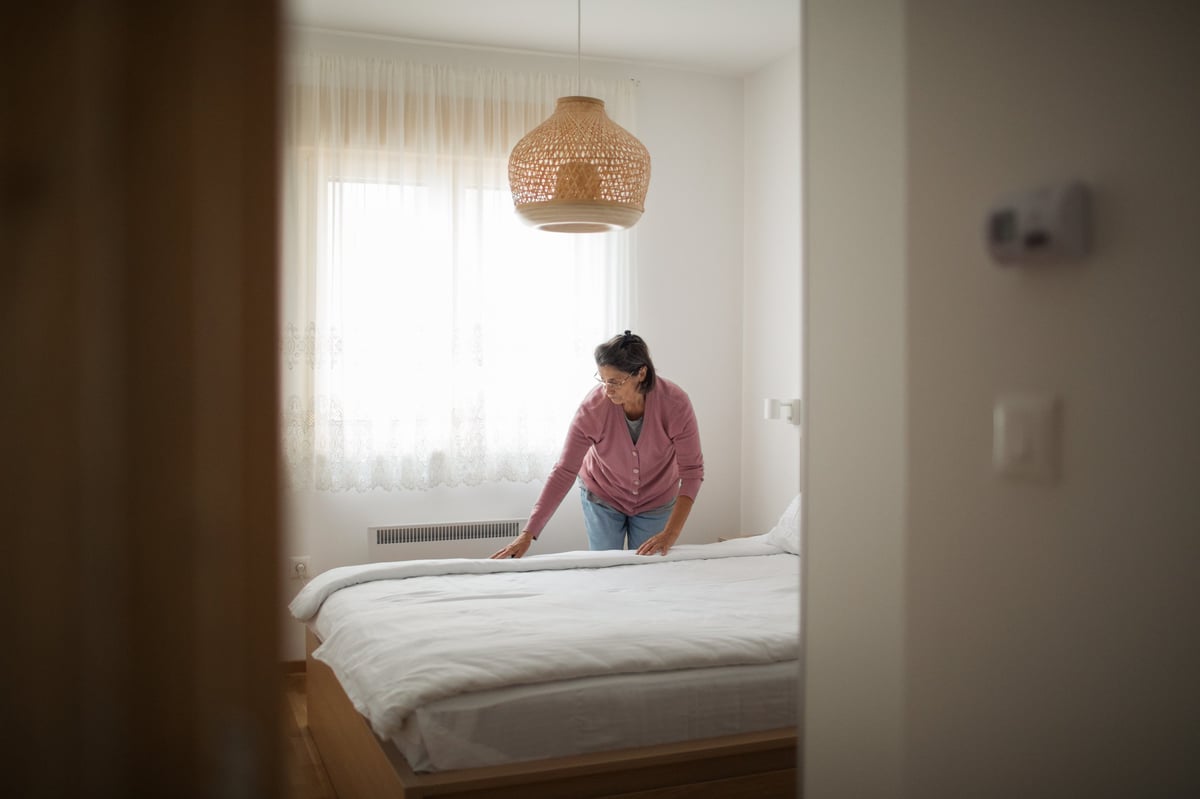
If you have an unused driveway, parking spot, garage, or storage space, rent it out. Neighbor and Spacer connect you with people who need parking or storage. A driveway near a stadium or event venue can earn $20-50 per event. A garage or spare room for storage can earn $50-200/month. This is the definition of passive income — you do the setup once.
How to start: List your space on Neighbor.com (storage) or SpotHero/JustPark (parking). Take clear photos showing the space. Set competitive pricing (look at what's nearby). For event parking, set up your listing near concert venues, sports stadiums, or downtown areas. The platforms handle payment and provide liability coverage.
💡 Real talk: Storage space in dense urban areas commands the highest rates ($100-300/month for a garage bay). Parking near airports or event venues is the most consistent earner. This works best if you live near something people go to — a college campus, hospital, stadium, or downtown area. Almost zero ongoing work after the initial listing.
7 Rules for Side Hustle Success
The difference between a side hustle that fizzles and one that pays your mortgage.
Pick one thing and stick with it for 3 months
The #1 mistake is switching hustles every two weeks when the first one doesn't take off immediately. Give anything at least 90 days before deciding it doesn't work.
Track every dollar from day one
Use a simple spreadsheet. Income, expenses, profit. You need to know if you're actually making money or just staying busy. Many side hustles feel profitable but aren't once you count supplies and platform fees.
Set aside 25-30% for taxes
Side hustle income is taxable. If you make more than $600/year on a platform, you'll get a 1099. Put tax money in a separate savings account immediately — don't touch it.
Start with people you know
Your first 3-5 customers should be friends, family, neighbors, or coworkers. They give honest feedback, leave reviews, and refer you to their network. Cold acquiring customers is 10x harder.
Take good photos — it's the #1 thing that sells
Whether it's handmade goods, a rental space, or your cleaning results — photos are what people judge first. Natural light and a clean background make a bigger difference than any other single factor.
Price for profit from the start
Don't undercharge to 'build a customer base.' Charging too little attracts the wrong customers — the ones who'll haggle, complain, and cost you money. Price fairly, not cheaply.
Batch your work into focused sessions
Don't let the side hustle bleed into every evening. Pick 2-3 dedicated blocks per week. During those blocks, work on the hustle. Outside those blocks, live your life. Boundaries prevent burnout.
New Side Hustle Ideas in Your Inbox
When I find new ways to make money from home, you'll hear about it first. Plus the occasional "what's working right now" roundup based on what real people are actually earning.
Occasional emails when I find something worth sharing. No spam, unsubscribe anytime.
The first $100 is the hardest. After that, it gets easier.
Pick one idea from this page. Not three — one. Start this weekend. Your first customer might be your neighbor. Your tenth might be a stranger on the internet. Both count.