
Small Home Office
Ideas That Work
No spare bedroom? No problem. These are real small-space setups that work in actual homes — closets, corners, hallways, and places you haven't thought of yet.
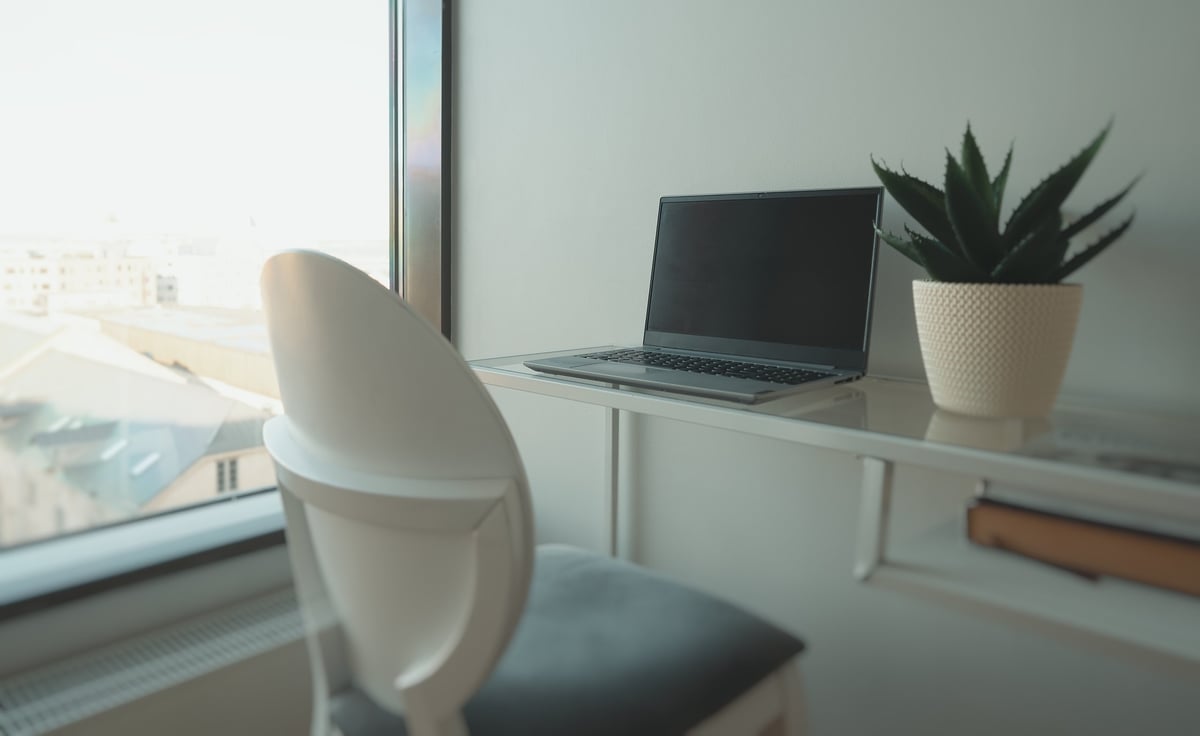
The Window Nook
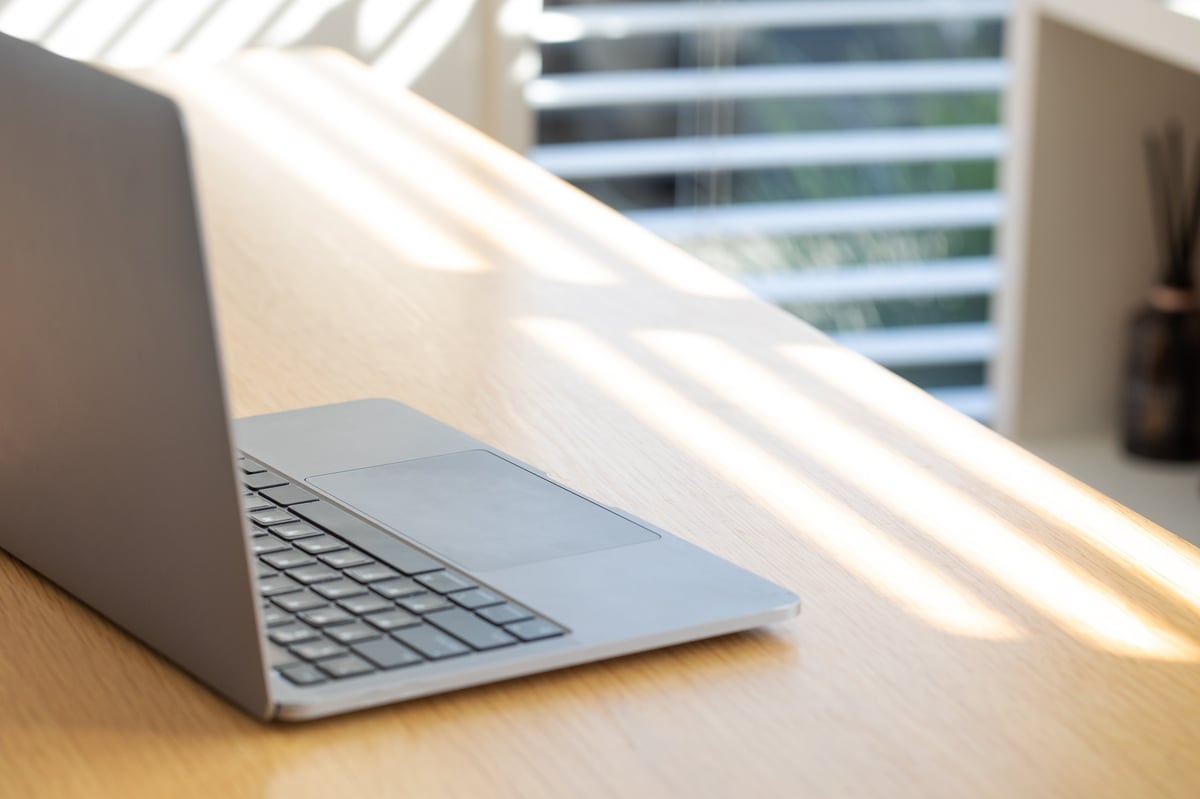
If you've got a window, you've got a desk spot. Push a slim desk or table right up against the glass. The light will make the space feel twice its actual size, and you'll look great on video calls without buying extra lighting.
Best for
Anyone with a window. Natural light saves you on lighting and makes the space feel less cramped.
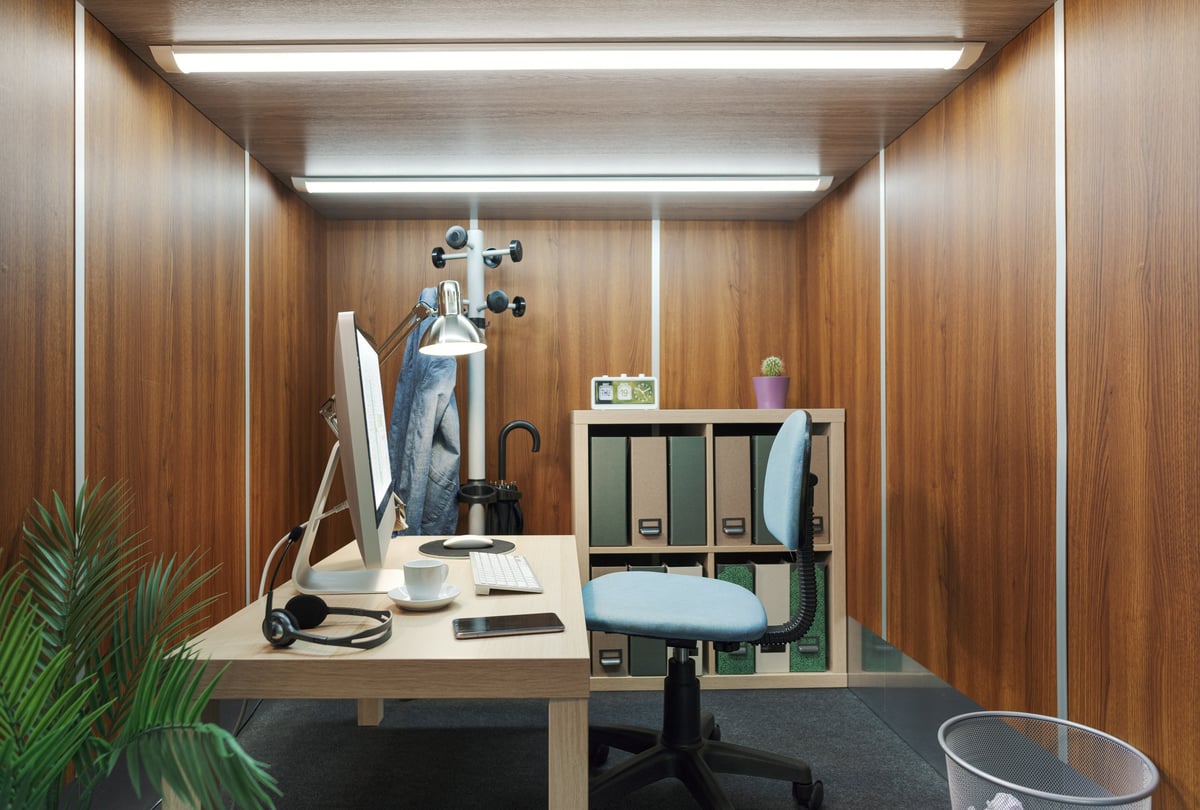
The Cloffice
A reach-in closet with the doors removed (or curtain replaced) is roughly the size of a workstation cubicle — and people worked in those for decades. Paint the inside a light color, add a slim desk, and mount a shelf above it for storage. When you're done working, close the curtain and it disappears.
Best for
Apartment dwellers who need the office to vanish after hours. Bonus: built-in sound dampening from hanging clothes.

The Living Room Corner
Pick the corner farthest from the TV. Use a room divider, a tall bookshelf, or even a large plant to create a visual boundary between 'work' and 'relax.' The goal isn't a separate room — it's a separate feeling. When you sit down, you know it's work time.
Best for
Shared apartments, open-plan homes, and anyone who wants to keep work contained to one corner.
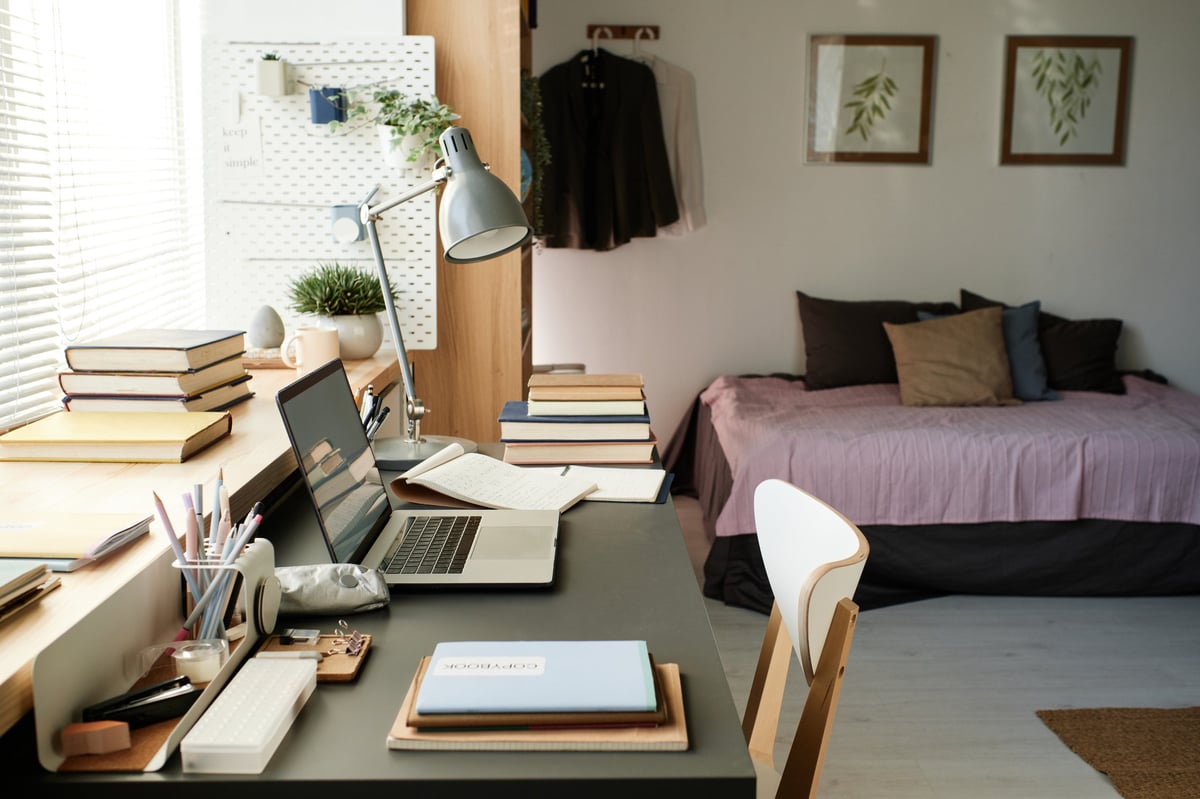
The Bedroom Nook
It's not ideal — nobody wants to work where they sleep — but with the right setup it can work well. Keep the bed out of your camera frame, use a desk that faces a window or a wall you've made interesting, and pack up your laptop at the end of every workday so the room transitions back to rest mode.
Best for
People in shared housing, studio apartments, or anyone whose bedroom is the only private space.
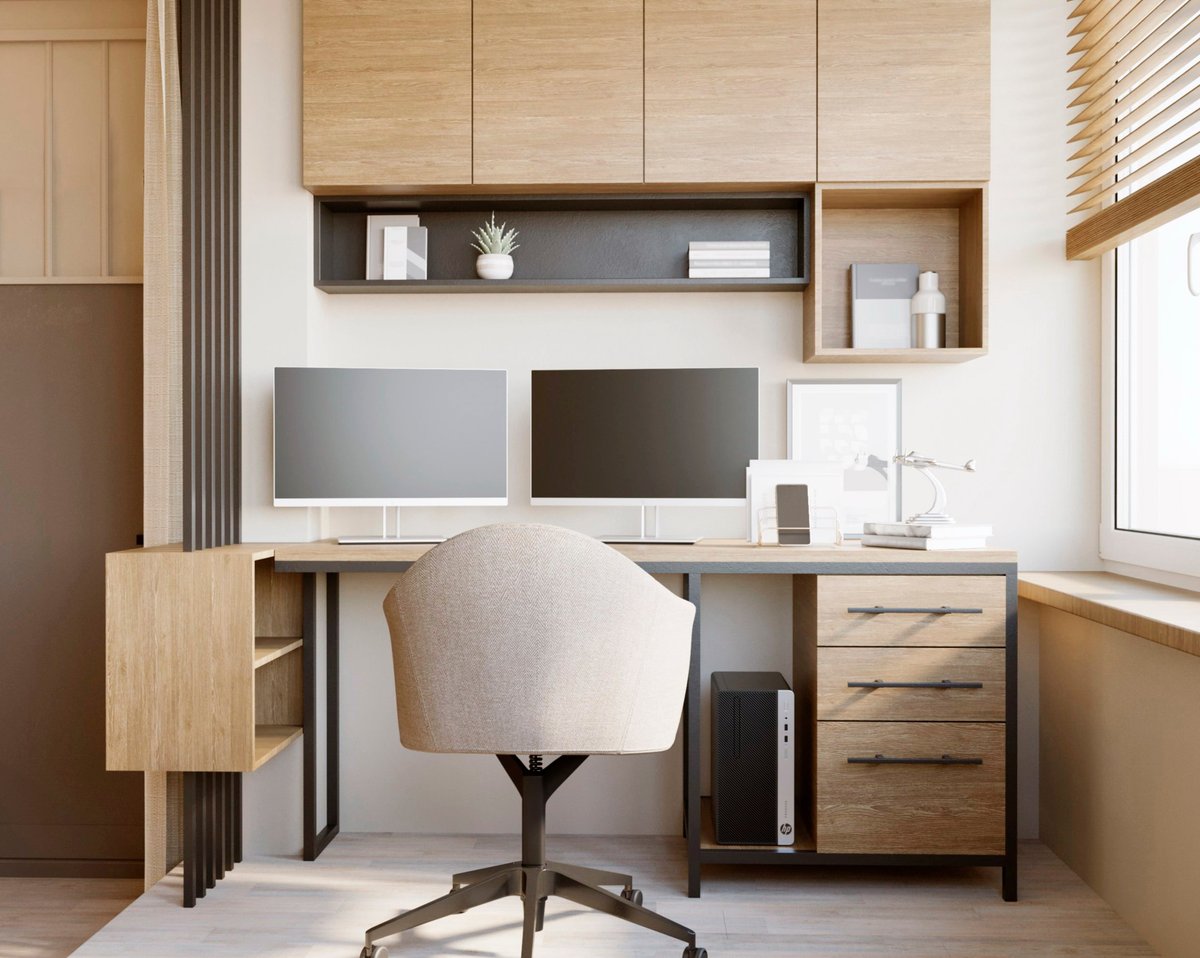
The Hallway Desk
A wide hallway or landing can fit a narrow console table or floating desk. You only need about 20 inches of depth and enough width for a chair. The secret: everything goes vertical. Mount the monitor on the wall, use shelves above the desk, and keep the surface clear.
Best for
Homes with wide hallways, landings, or awkward wall stretches that aren't doing anything useful.
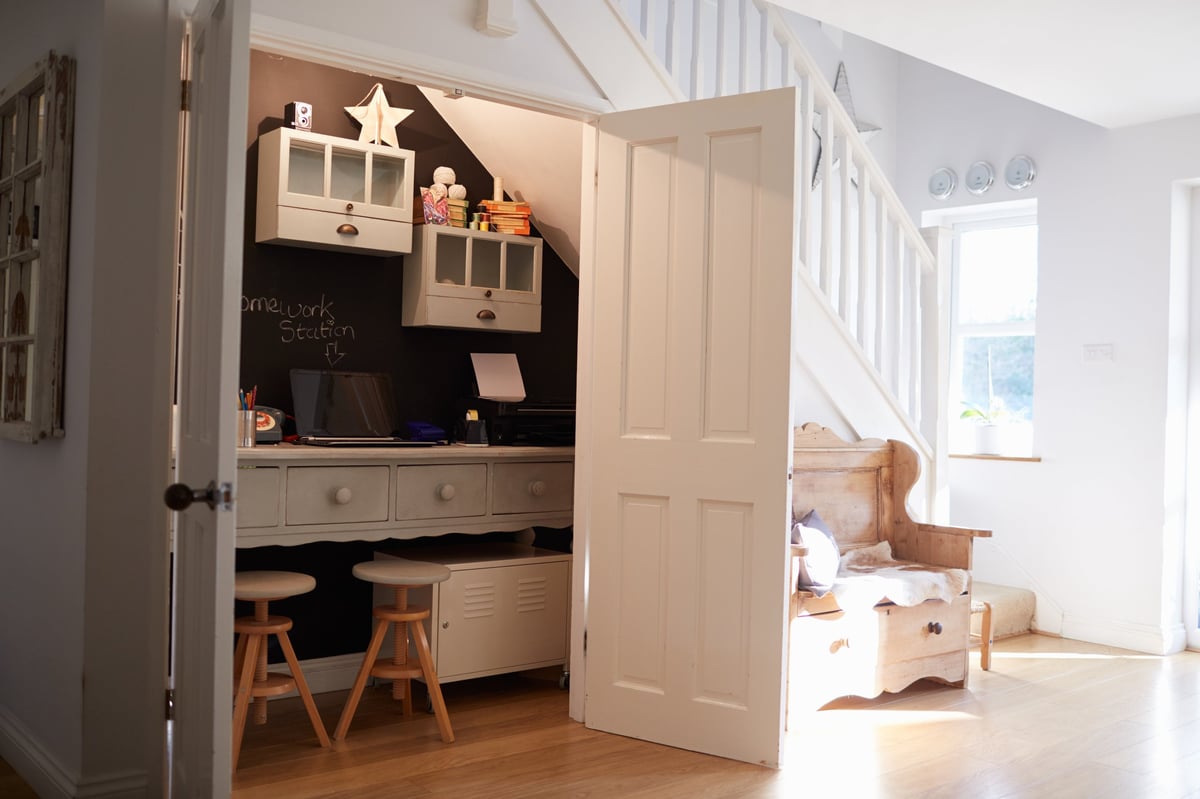
The Staircase Office
The area under a staircase is often dead space — a closet for vacuum cleaners or a pile of shoes. But it has just enough room for a desk, a chair, and a shelf or two. The angled ceiling gives it character, and it's naturally separated from the rest of the house.
Best for
Two-story homes where the under-stair closet is currently holding junk. Best conversion-to-usefulness ratio on this list.
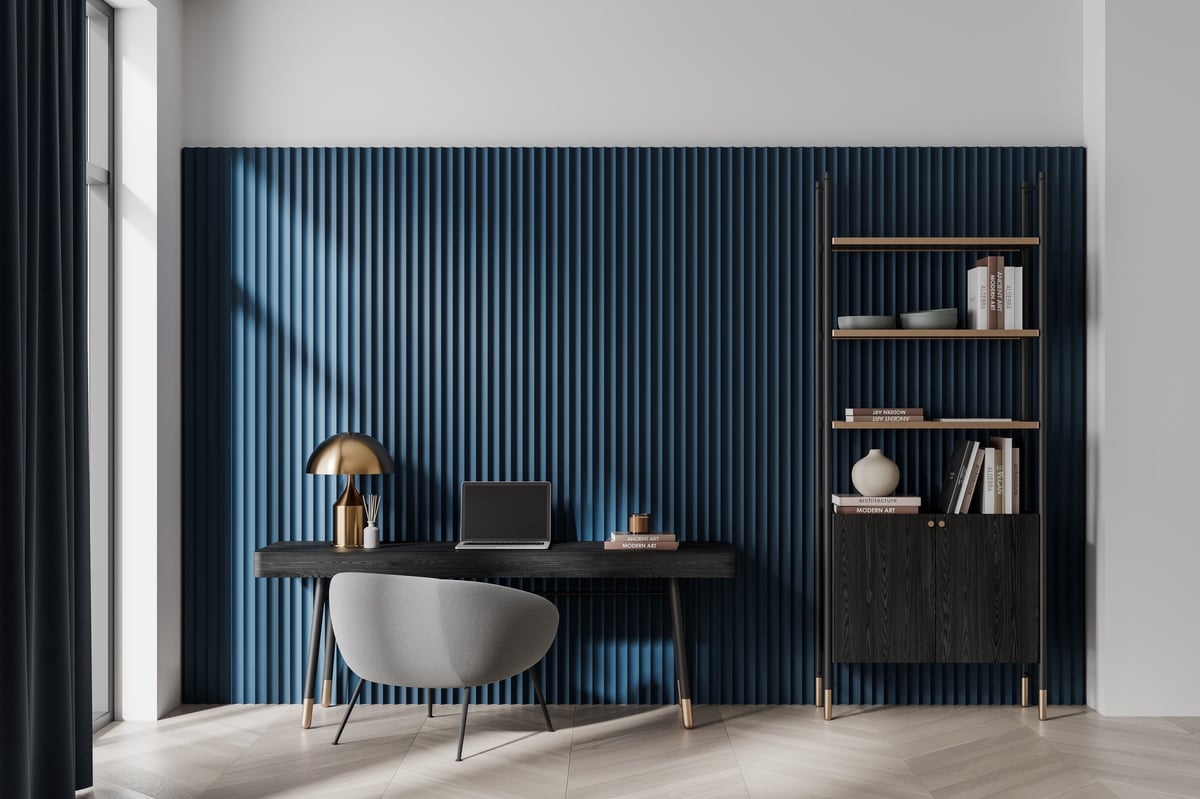
The Furniture Hack
A sideboard, credenza, console table, or even a low dresser can become a standing-height or sitting-height desk. Add a riser for your monitor, a small drawer for supplies, and you've got a workspace with built-in storage that doesn't look like office furniture.
Best for
Anyone who wants a workspace that doesn't look like a home office invaded their living room.
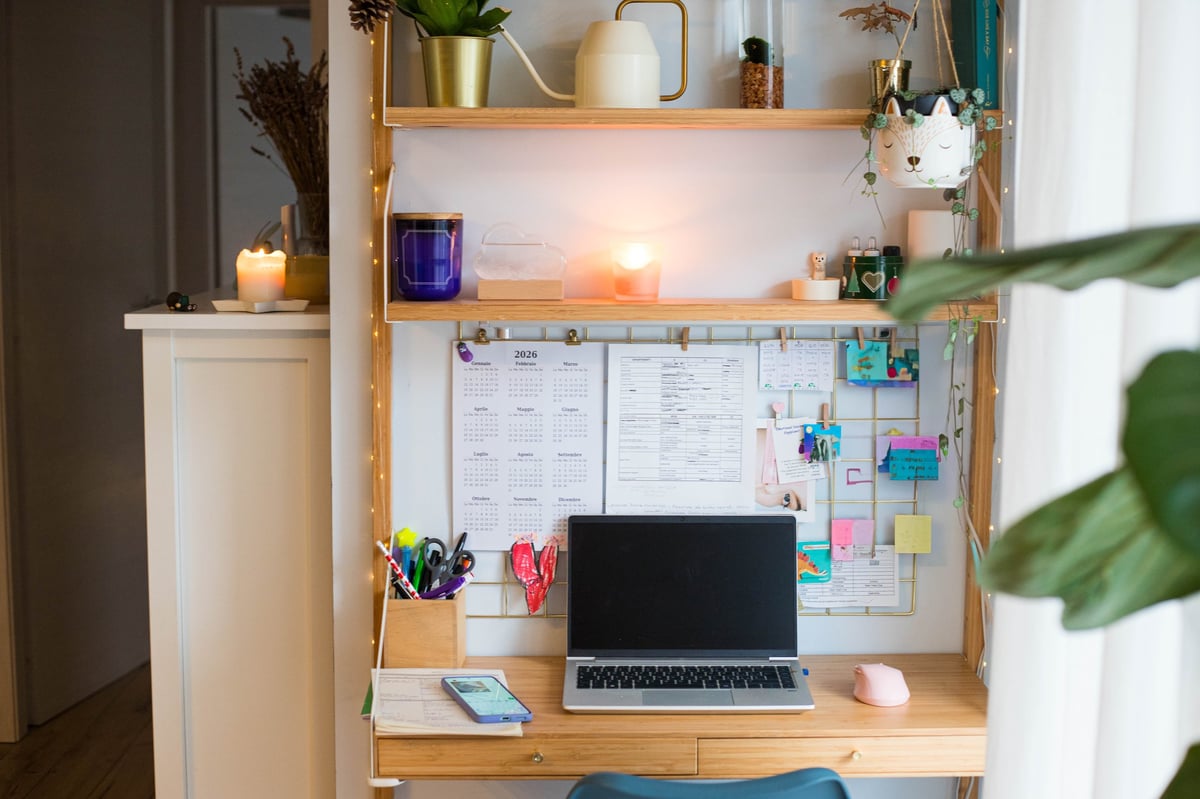
The Gallery Wall Office
Even the smallest desk setup feels 10× better when the wall behind it is interesting. A gallery wall of prints, photos, and small objects turns a corner into a destination. On video calls, it reads as 'personality' instead of 'I live in a blank white box.'
Best for
Renters who can't paint but can hang things. Also: anyone whose Zoom background currently looks like a hostage video.
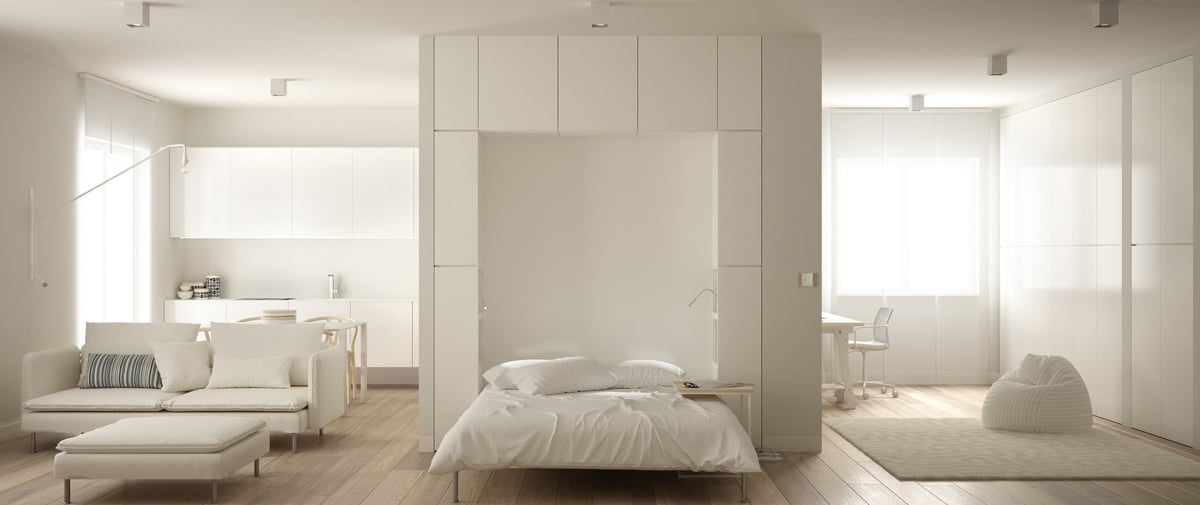
The Fold-Away Setup
A wall-mounted drop-leaf desk or a secretary desk closes up when you're done. Everything — laptop, notebook, keyboard — stays inside. Close it, and it's a piece of furniture against the wall. This is the ultimate solution for studios, one-bedroom apartments, and anyone who needs work to physically vanish at 5 PM.
Best for
Studio apartments, dining rooms, and anyone who needs their home to not look like an office.
The Vertical Everything Approach
The single best trick for tiny workspaces: move everything onto the walls. Monitor on a wall mount. Shelves instead of bookcases. Pegboard with hooks and small baskets for supplies. A clamp-on task light. The desk surface stays clear for actual work, and the room feels bigger because the floor is open.
Best for
Micro-apartments, tiny bedrooms, and anyone who's looked at their floor and thought 'there is literally no room.'
Which Setup Is
Right for You?
You have a closet you never use
→ The Cloffice — doors off, desk in, done
You rent and can't do major changes
→ The Gallery Wall Office or The Furniture Hack
You have great natural light
→ The Window Nook — natural light is half the battle
You need it to disappear after 5 PM
→ The Fold-Away Setup or The Cloffice (curtain closed = gone)
You're in a studio apartment
→ The Living Room Corner or The Fold-Away Setup
You literally have zero floor space
→ The Vertical Everything Approach — go wall-mounted
You have weird dead space (hallway, stairs)
→ The Hallway Desk or The Staircase Office
You share a bedroom
→ The Bedroom Nook — with a strict 5 PM pack-up ritual
The Best Small Office
Is the One You Actually Use
Pick one idea. Try it for a week. If it doesn't work, try another. Small spaces are forgiving — nothing is permanent, and every setup teaches you something about what you actually need.